Burnt Hit? Don't Toss It Yet: How to Bring a Struggling Cart Back to Life
You take a pull and instead of smooth, flavorful vapor, you get a mouthful of something that tastes like singed hair and regret. We've all been there. The instinct is to chuck the cart and crack open a new one — but hold up. That burnt hit might not be a death sentence. In a lot of cases, a little know-how can turn a struggling cartridge back into something worth using.
Let's talk about what's actually going on when a cart burns, and what you can realistically do about it.
Why Carts Go Burnt in the First Place
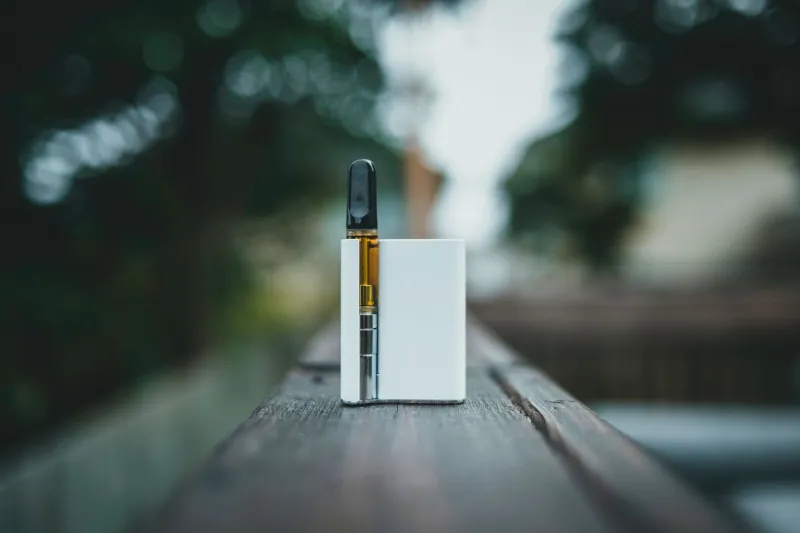
Before you can fix the problem, it helps to understand it. Most vape cartridges work by heating a coil or ceramic element that vaporizes the oil inside. When that element gets too hot — or when the oil isn't flowing fast enough to keep up with the heat — you end up burning the residual oil clinging to the wick or coil. That's what produces that nasty, acrid flavor.
The most common culprits:
- Firing too frequently without breaks. Chain vaping doesn't give the oil time to re-saturate the heating element between hits.
- Voltage set too high. Running your battery at max wattage might feel like more vapor, but it's also cooking your oil faster than it can replenish.
- Thick oil in cold weather. Cannabis distillate gets viscous when it's cold, which means it moves slowly. Your coil heats up faster than the oil can travel to it.
- A nearly empty cart. Less oil means the coil has less to work with, and dry hits become way more common.
Knowing which of these applies to your situation is the first step toward fixing it.
Step One: Give It a Timeout
Seriously — just stop hitting it for a few minutes. This sounds almost too simple, but it works more often than you'd think. If you've been going at it hard, the coil is probably overheated and the oil around it is scorched. Letting the cart sit for five to ten minutes allows the remaining oil to slowly migrate back toward the heating element and re-coat it.
After the rest period, take one very short, gentle pull — don't inhale hard. You're trying to coax the oil into moving, not blast through whatever's left.
Step Two: Use Your Battery's Preheat Function
If your battery has a preheat mode (most 510-thread batteries do these days), now is the time to use it. Preheat cycles typically run at a lower, sustained temperature for a few seconds — just enough to warm the oil and thin it out without firing the coil hard.
No preheat mode? You can simulate it by pressing the fire button in short half-second bursts, two or three times, without actually inhaling. This gently warms the cart and encourages oil flow without scorching anything further.
Step Three: Drop Your Voltage
If you've been running your variable voltage battery at 3.8V or higher, dial it back. Most cannabis oil carts perform best somewhere between 2.6V and 3.2V. Higher voltages burn hotter and faster — great for thick clouds, terrible for flavor and coil longevity.
Switching to a lower setting after a burnt hit serves two purposes: it reduces the chance of further burning, and it lets you take more controlled pulls that are easier on whatever oil remains.
Step Four: The Warm-Up Trick
This one's especially useful if you're dealing with a cart that's been sitting in a cold car or a chilly room. Hold the cartridge in your palm for a minute or two, letting your body heat warm the oil. Alternatively, set it near (not on, and definitely not in) a warm surface — like the side of a laptop that's running, or near a heating vent.
Once the oil is visibly thinner and more fluid, try the preheat trick again before taking a real hit. Cold, thick oil is one of the sneakiest causes of burnt taste, and warming it up first can make a surprising difference.
Step Five: Let the Cart Rest Upright
If none of the above has fully solved the problem, stand the cart upright — mouthpiece up — and let gravity do its thing for an hour or so. This encourages oil to pool at the bottom of the chamber near the coil, improving saturation before your next session.
Some people swear by flipping the cart upside down briefly to redistribute oil, then flipping it back upright before use. It's worth trying if the standard orientation isn't cutting it.
When Recovery Isn't Possible
Let's be honest: not every burnt cart can be saved. There are situations where the coil or ceramic element is genuinely fried — not just temporarily overheated, but physically degraded. Signs that you're past the point of no return:
- The burnt taste persists no matter what you try. If you've waited, preheated, and dropped the voltage and it still tastes like you're inhaling campfire, the coil is likely done.
- Vapor production has dropped to almost nothing. A functional cart should still produce visible vapor even when it's low. If you're getting nothing but a hot, dry hit, the element is probably cooked.
- You can see discoloration or residue through the cartridge. Darkened, caramelized oil stuck to the inside of the cart is a bad sign — that residue will keep burning every time you fire it.
In these cases, continuing to use the cart isn't just unpleasant — it's potentially putting combusted residue into your lungs, which defeats the whole point of vaping.
Prevention Is Easier Than Recovery
Once you've nursed a cart back to health (or accepted that this one's toast), it's worth building some habits that'll keep you from ending up here again:
- Take slower, gentler draws. Hard pulls don't always mean more vapor — they can actually starve the coil of oil and cause dry hits.
- Keep your voltage moderate. Resist the urge to crank it unless you have a specific reason to.
- Don't chain vape. Give yourself 30 to 60 seconds between hits, especially with thicker oils.
- Store carts at room temperature. Avoid leaving them in hot cars or freezing environments.
- Keep an eye on oil levels. The last 10–15% of a cart is prime time for burnt hits. Slow down and be more deliberate as you approach the bottom.
The Bottom Line
A burnt hit is frustrating, but it's not always the end of the road. With a little patience and the right technique, you can often bring a struggling cartridge back to a usable state — or at least squeeze a few more quality sessions out of it before calling it. The key is understanding why the burn happened and addressing the root cause rather than just powering through and making things worse.
And when a cart really is done? That's what a well-stocked cart collection is for.