Your Cart Is Only Half the Equation: A Deep Dive Into Vape Batteries and Why They Make or Break Your Session

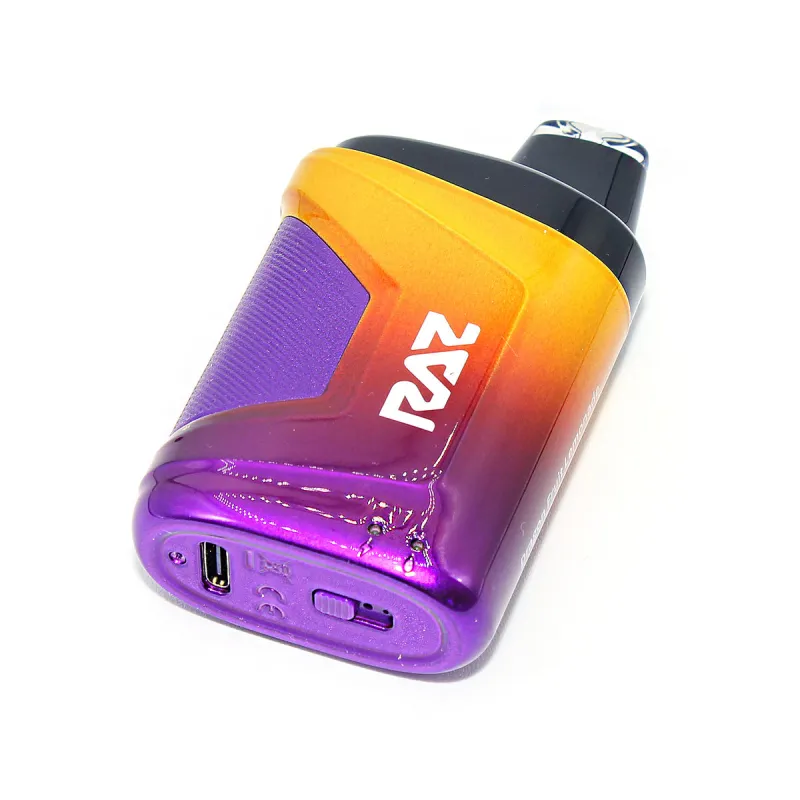
Photo: vape battery 510 thread variable voltage close up product shot, via sc01.alicdn.com
Here's something a lot of people don't think about until they've already burned through a cart too fast or wondered why their hits taste like hot garbage: the battery you use matters just as much as the cartridge itself.
Sure, the oil, the strain, and the hardware inside the cart are all huge factors. But if you're running that premium product through the wrong battery — wrong voltage, wrong compatibility, wrong build quality — you're leaving a lot on the table. Or worse, you're actively degrading the experience.
At BuyFryd Carts, we want every session to hit the way it's supposed to. So let's break down the battery side of things in plain terms.
What a Vape Battery Actually Does
At its core, a vape battery does one thing: it sends electrical current to the heating element (coil) inside your cartridge, which vaporizes the oil so you can inhale it. Simple concept. But the way it delivers that power — how much, how fast, how consistently — shapes everything about your experience.
Too little power and you get weak, thin hits with muted flavor. Too much power and you're scorching the oil, burning terpenes, and potentially damaging the coil. The sweet spot is in the middle, and finding it depends on understanding a few basic specs.
Voltage 101: Why This Number Is Everything
Voltage is the most important variable to understand when it comes to vape batteries. Most 510-thread batteries — the standard connection type used by the vast majority of cartridges on the market — operate somewhere in the range of 2.4V to 4.0V.
Here's a general breakdown of how voltage affects your session:
- 2.4V – 3.0V (Low): Cooler vapor, more pronounced flavor, smoother hit. Great for terpene-forward carts where taste is the priority.
- 3.0V – 3.5V (Medium): Balanced vapor production and flavor. This is the sweet spot for most standard carts and most users.
- 3.5V – 4.0V+ (High): Bigger, denser clouds, stronger hit. But you risk burning off terpenes and shortening the coil's lifespan if you run here constantly.
A lot of newer users default to the highest setting because they assume more power equals a better experience. It doesn't. It usually means a harsher hit and a cart that runs out faster than it should.
Variable Voltage vs. Fixed Voltage Batteries
Fixed voltage batteries are exactly what they sound like — they output a single, set voltage with no adjustment. They're usually cheaper, simpler, and fine for casual use if the voltage happens to match your cart well.
Variable voltage batteries let you dial in the setting yourself, usually through a button click cycle or a twist dial. These are the better choice for anyone who uses different types of carts, because different products genuinely perform differently at different voltages. A thick, high-viscosity oil might need a bit more heat to flow properly, while a lighter, terpene-rich cart shines at lower temps.
If you're serious about getting the most out of your products, a variable voltage battery is worth the small extra cost.
Basic vs. Premium Batteries: What You're Actually Paying For
Budget batteries work. They'll fire your cart and get the job done. But there are real differences between a $10 stick battery and a $40–$60 premium device.
Consistency: Premium batteries maintain a steadier output voltage throughout the charge cycle. Cheap ones often drop in performance as the battery drains, which means your last few hits of the day hit differently than your first.
Safety features: Better batteries include protections against short circuits, overcharging, and overheating. These matter more than people realize — especially with cartridges that have ceramic coils, which can be sensitive to power spikes.
Build quality: A well-made battery has a reliable connection point, better button responsiveness, and materials that don't degrade quickly. Flimsy 510 threads are one of the most common causes of carts not firing correctly.
Preheat function: Many quality batteries include a low-power preheat mode that warms thick oil before you take a full draw. This is genuinely useful in cold weather and for high-viscosity carts.
Compatibility: Not Every Battery Plays Nice With Every Cart
The 510-thread standard means most carts and batteries will physically connect without issue. But physical compatibility and functional compatibility aren't always the same thing.
Some carts are designed for specific voltage ranges. Ceramic coil carts, for example, are generally more heat-sensitive than metal coil options and tend to perform better at lower voltages. Running a ceramic cart at 4.0V repeatedly will shorten its life and muddy the flavor.
Also worth noting: some newer cart designs have specific wattage or resistance requirements. If your battery doesn't match those specs, you might get poor performance or no performance at all. When in doubt, check the specs on the cart and match them to what your battery can deliver.
Common Mistakes That Damage Your Carts (and Your Battery)
A few habits that seem harmless but quietly cause problems:
Chain hitting: Taking multiple draws back-to-back without giving the coil time to cool down is a fast track to a burnt taste and a degraded coil. Give it 20–30 seconds between hits.
Running on empty: Continuing to draw from a cart after the oil is nearly gone overheats the coil with nothing to vaporize. Stop before it's bone dry.
Leaving it plugged in constantly: Overcharging doesn't do your battery any favors. Charge it up, then unplug it.
Using a damaged connection: If the 510 thread on your battery is bent, dirty, or corroded, you'll get inconsistent firing and potentially damage the cart's contact point. Clean it regularly with a cotton swab.
Matching the Right Battery to Your Setup
If you're mostly using standard oil carts at moderate potency, a reliable variable voltage battery in the $25–$45 range is all you need. Look for one with at least three voltage settings, a preheat function, and solid reviews around build quality.
If you're into live resin or high-terpene products where flavor is the main event, prioritize a battery that performs well at lower voltages and has consistent output.
For heavy daily use, invest in a battery with a larger capacity so you're not recharging constantly, and one with a USB-C port for faster top-ups.
The Takeaway
Your cart experience is a two-part equation. The product matters — obviously — but so does the hardware you run it through. A quality battery, set to the right voltage, matched to the right cart type, is what turns a good product into a great session.
Don't let a weak link in your setup hold back everything else. Know your hardware, dial in your settings, and let BuyFryd handle the rest.