510-Thread, Proprietary, and Everything In Between: A No-Nonsense Guide to Cart and Battery Compatibility
Photo: vape cartridge battery connection 510 thread close up product, via sleekvape.com
You finally got your hands on a cart you've been wanting to try. You screw it onto your battery, hit the button — and nothing. Or worse, it half-connects, fires inconsistently, and you end up wasting oil chasing a hit that never quite lands. Sound familiar?
Cart and battery compatibility is one of those things nobody really warns you about when you're first getting into vaping. Everyone assumes it's plug-and-play, and most of the time it is — but when it's not, it's genuinely annoying. The good news is that once you understand the basic standards and the most common points of failure, you can avoid this problem almost entirely.
Let's get into it.
The 510-Thread Standard: What It Is and Why It Dominates the Market
The "510" in 510-thread refers to the threading specification used on the connection point between a cart and its battery — specifically, a 10-thread, 5mm diameter screw connection. This standard was popularized by early e-cigarette manufacturers and eventually became the default format across the vape industry.
The short version: if both your cart and your battery are labeled as "510-thread," they should work together. Period. This compatibility is the whole reason 510 became such a dominant standard — it created a kind of universal language between products from completely different brands.
The vast majority of vape carts on the market today are 510-thread, and the same goes for batteries. So if you're buying standard carts, a good 510-thread battery is genuinely versatile.
Proprietary Connections: When Brands Go Their Own Way
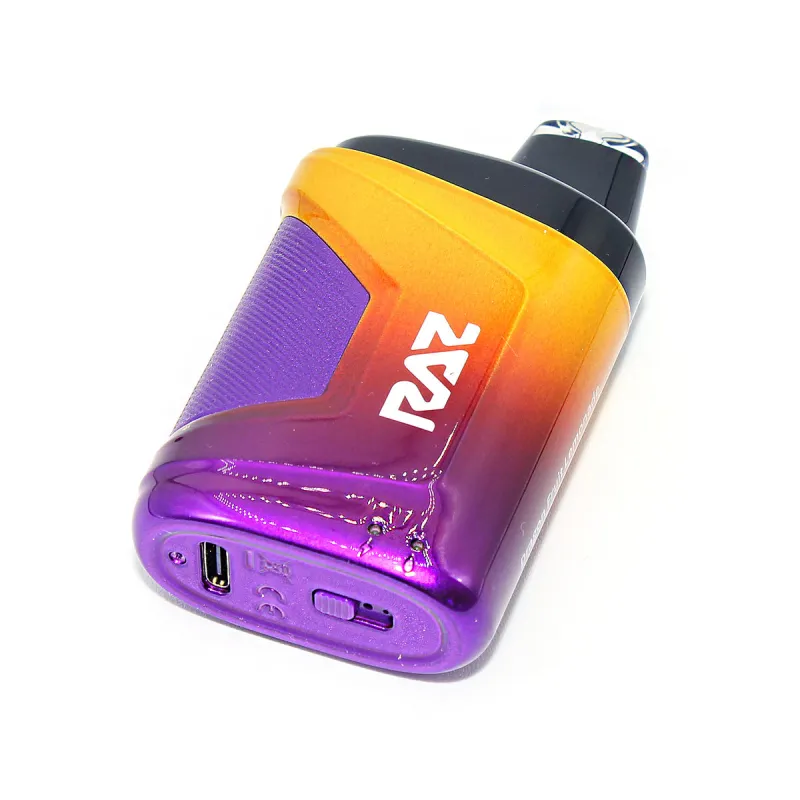
Here's where things get complicated. Some brands — particularly larger, more established ones — have moved away from the 510 standard entirely in favor of proprietary connection systems. Think of it like Apple's Lightning cable versus USB-C: the proprietary version might work great, but it only works with that specific ecosystem.
Proprietary carts will only connect to the battery made by the same brand. There's no workaround, no adapter that'll save you. If you buy a proprietary cart and don't have the matching battery, you're stuck.
How to spot a proprietary cart before you buy:
- The product listing specifies a specific device or battery it's designed for
- The connection point looks unusual — magnetic, pod-style, or oddly shaped
- The brand sells a dedicated device alongside the cartridges
When in doubt, check the product description carefully. At BuyFryd Carts, we make it a point to clearly note when a product uses a proprietary connection so you're never caught off guard.
Quick Reference: Cart and Battery Compatibility at a Glance
| Cart Type | Connection Style | Compatible With |
|---|---|---|
| Standard vape cart | 510-thread | Any 510-thread battery |
| Proprietary pod cart | Brand-specific | Matching brand device only |
| Magnetic adapter cart | Magnetic 510 | 510 battery + magnetic adapter |
| Thick oil cart | 510-thread | 510 battery with variable voltage |
| CBD/hemp cart | 510-thread (usually) | Most 510 batteries |
This isn't exhaustive, but it covers the most common scenarios you'll run into.
The Most Common Compatibility Problems (And How to Fix Them)
Problem 1: The Cart Screws On But Won't Fire
This is probably the most common issue, and it's usually not a threading problem — it's a contact problem. Some 510-thread carts have a recessed center pin, which means the connection point doesn't quite reach the battery's firing pin when fully screwed in.
Fix: Gently unscrew the cart slightly (like a quarter turn) so the pin makes better contact. If your battery has an adjustable center pin, use a small tool to raise it slightly. Many experienced vapers know this trick and it works more often than you'd think.
Problem 2: The Cart Won't Screw In All the Way
If the cart physically won't thread onto the battery, you might be dealing with a threading mismatch (rare but it happens with some international brands) or a damaged thread on either component.
Fix: Check both the cart and battery threads for debris or damage. If the threads look fine but it still won't connect, the cart may use a slightly different thread spec. This is uncommon with reputable US-market products but worth checking.
Problem 3: The Cart Fires But Tastes Burnt or Gives Weak Hits
This is often a voltage issue rather than a physical compatibility problem. Thick oil carts — especially those with high viscosity distillates — need a higher voltage to heat properly. Standard batteries running at 3.3V might not be enough.
Fix: Use a variable voltage battery and gradually increase the output. Most thick oil carts perform best somewhere between 3.6V and 4.0V. Going too high will burn the oil, so increase incrementally and find your sweet spot.
Problem 4: Leaking at the Connection Point
A cart that's cross-threaded or improperly seated can leak oil into the battery connection, which is both wasteful and potentially damaging to the battery.
Fix: Always screw carts in gently and straight — never force them. If a cart feels like it's not threading smoothly, back it out and try again. A little resistance is normal; grinding is not.
How to Check Compatibility Before You Buy
A little homework goes a long way. Here's a quick checklist to run through before adding anything to your cart (pun intended):
- Confirm the thread type. Look for "510-thread" in the product description. If it's not mentioned, reach out and ask.
- Check the oil viscosity. If it's a thick distillate, make sure your battery supports variable voltage.
- Know your battery's voltage range. Most quality 510 batteries list their output range. Cross-reference with what the cart recommends.
- Watch out for brand-specific language. Phrases like "designed for use with [Brand] Device" are a red flag that you're looking at a proprietary product.
- Read reviews. Other buyers will almost always call out compatibility issues if they exist.
The Bottom Line
Compatibility issues are genuinely avoidable once you know what to look for. The 510-thread standard exists precisely to make your life easier — and the majority of quality carts on the market play by those rules. Stick to standard 510 products, invest in a solid variable voltage battery, and you'll sidestep 90% of the problems people run into.
At BuyFryd Carts, we want every order to be a good experience from the moment it arrives at your door. That means not just delivering premium products fast — it means making sure you have the knowledge to actually use them. Because the best cart in the world is worthless if it doesn't connect properly.