Fits Doesn't Mean Works: A Plain-English Guide to 510 Threads, Pins, and Voltage
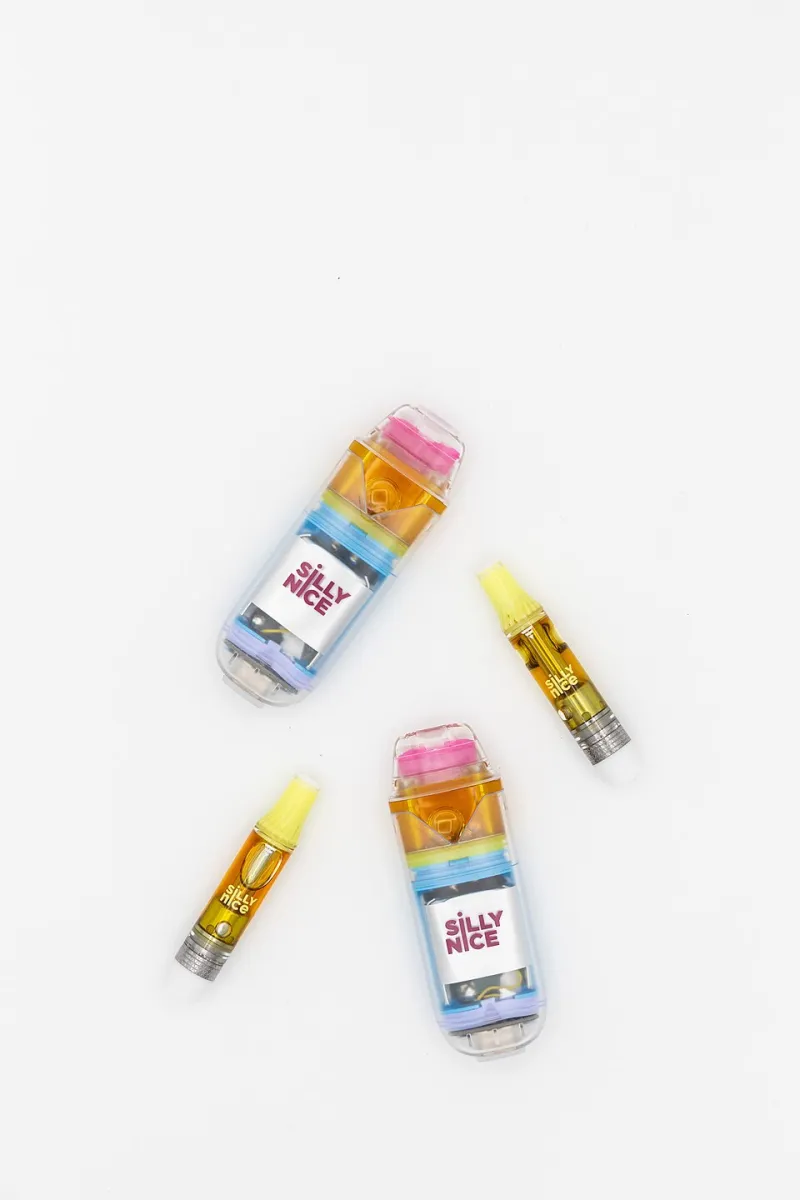
Photo: SillyNice, CC BY 4.0, via Wikimedia Commons
There's a specific kind of frustration that comes from a brand-new cart tasting scorched on the second pull, and it almost never gets blamed on the right thing. The cart is fine. The battery is fine. The pairing is the problem, and nobody warns you because everyone assumes "510 thread" means universal.
It's universal the way a USB-C cable is universal — technically, mostly, until it isn't.
What "510" Actually Means
The 510 standard describes a threaded connection: roughly 10 threads, a center pin for positive contact, and a metal body that carries the ground. That's it. The spec never promised that every cart sits flush, every pin meets cleanly, or every battery pushes the right amount of power. Manufacturers interpret the rest however they like.
So you end up with carts whose center pin sits slightly recessed, batteries whose pin sits slightly proud, and a connection that technically works while making intermittent contact. You get carts with tiny intake holes near the base and batteries whose beauty ring covers them almost completely. All of this fits. None of it is good.
The 30-Second Wobble Test
Before you fill or fire anything, do this:
- Screw the cart on gently — finger tight, no wrist torque. Threads are soft metal.
- Wiggle it side to side, lightly. A tiny bit of play is normal. A visible tilt, or a cart that rocks on the collar, means the thread depth doesn't match.
- Look at the gap. If there's a millimeter of daylight between the cart base and the battery collar, the center pin may not be reaching.
- Check the airflow holes. Can you see them, or did the collar swallow them? Cover them with a finger and see whether the draw changes. If it doesn't change, your battery is the bottleneck.
- Fire it for one second, no longer. Listen. A crackle that sounds like frying is a sign the coil is running hot or dry.
Five seconds of inspection saves a cart.
Thread Length and Pin Depth: The Invisible Mismatch
Two carts can both be "510" while one sits proud of the collar and the other sinks in. Deep-set carts on shallow-pin batteries produce intermittent contact — you press, nothing happens, you press harder, then it fires all at once at full power. That surge is murder on a coil.
The tell is inconsistency. If your cart works on one battery and not another, and the difference follows the cart rather than the battery, it's a contact-depth issue. A small thread adapter often solves it; forcing it never does.
Airflow Slots: When the Battery Is Suffocating Your Cart
Airflow design is where cheap batteries reveal themselves. If the collar blocks the cart's intake holes, you're pulling against resistance, which makes you pull harder, which pulls oil into the airway. That's how a cart ends up gurgling with a mouthpiece full of oil after three sessions.
Some batteries have adjustable rings for exactly this reason. Use them. If yours doesn't, look for a collar with visible cutouts or a magnetic adapter with a channel through it.
Voltage: The Math That Burns Oil
Most premium carts are happiest in a narrow window — often somewhere around 2.8 to 3.4 volts, though it depends on the oil and the hardware. Too low and you get weak, soupy hits and clogging. Too high and you scorch the wick, and scorched terpenes taste like burnt sugar and regret.
Variable-voltage batteries aren't a gimmick. They're the difference between tasting your cart and tasting the coil. If you're spending premium money on oil, a battery with at least three heat settings is the cheapest insurance you'll ever buy.
The Magnetic Adapter Trap
Magnetic adapters are convenient and occasionally terrible. The ring adds length, which changes pin depth. Cheap ones add resistance, which makes your battery push harder to compensate. And they collect lint, oil, and pocket fuzz on the contact surface, which is its own slow-motion disaster. If you use one, clean it weekly and keep a spare.
A Pre-Purchase Checklist
- Does the battery list voltage ranges, not just "high/medium/low"?
- Is the collar narrow enough that it won't swallow a cart's intake holes?
- Is the pin spring-loaded? Spring-loaded pins forgive small mismatches.
- Does the cart's own documentation mention a recommended wattage or voltage?
- Are you buying a battery marketed for nicotine oil, which often runs hotter than what cannabis carts want?
- Does the device have any kind of short-circuit or overdraw protection?
When to Adapt and When to Return
If the mismatch is airflow or contact depth, an adapter or a different collar solves it cheaply. If the mismatch is power — the battery only does one setting and that setting is hot — no accessory fixes that. Return it or retire it to a drawer. There's no honorable way to make an overpowered battery gentle.
Buying carts is half the equation. The other half is the thing you screw them into, and it deserves about as much thought as the oil itself.